
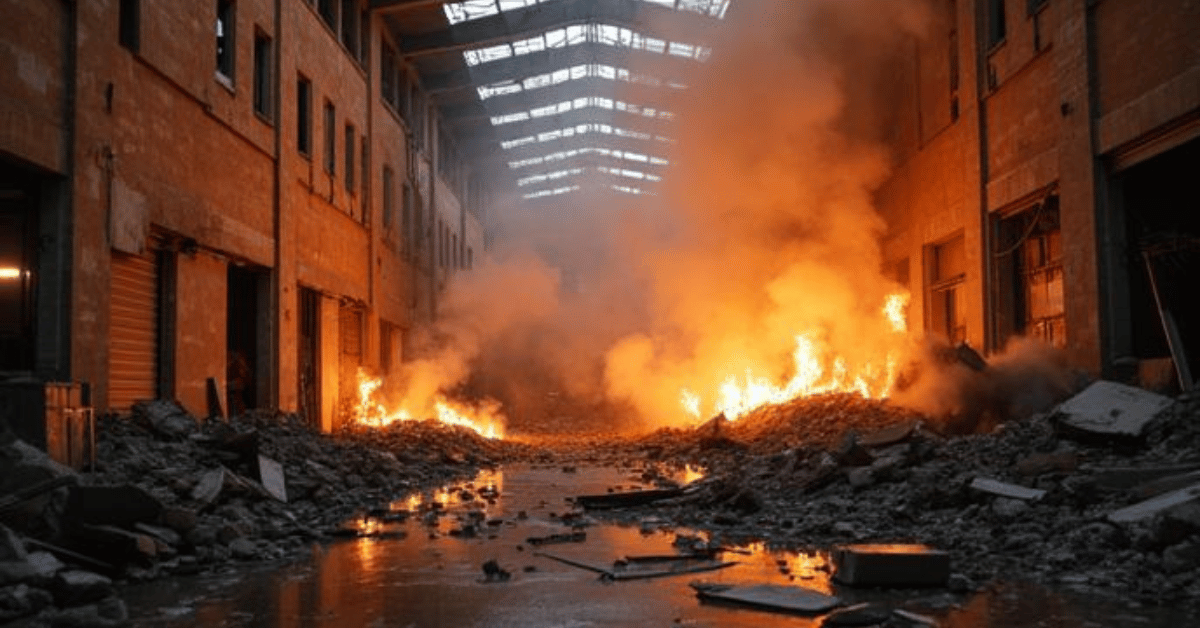
Businesses, no matter the industry, are built over years of effort, investment, and daily operations that fuel local economies. When a fire disrupts that, whether it’s small-scale or catastrophic, the interruption isn’t just about smoke and soot—it’s about livelihood, reputation, and operational stability. That’s where commercial fire damage restoration steps in, not just as a solution, but as an absolute necessity for recovery.
K&P Restorations specializes in commercial fire damage restoration, mold inspection, testing, removal, and remediation services. We also provide fire & smoke remediation, water mitigation & remediation, crawl space cleaning, and HVAC vent cleaning services. K&P Restorations proudly serves Macon, Georgia, and the surrounding areas. We can be reached at (478)-256-3394.
Understanding the Scope Before the Repairs Begin
There’s no singular method for managing fire recovery. Each commercial property reacts differently depending on the materials used, HVAC configuration, internal contents, and extent of fire penetration. In every case, though, the first step is always the same—understanding the full extent of the damage. It’s not enough to look at scorched ceilings or burnt-out fixtures.
A qualified inspection checks for:
- Structural integrity of affected areas
- Residual smoke odors trapped in porous materials
- Electrical system impact
- Damage to plumbing, insulation, or HVAC units
- Risk of mold growth following water exposure from firefighting
Ignoring or underestimating even a single layer of this process often leads to long-term operational disruptions. That’s why property owners should never attempt shortcuts when dealing with fire-related losses. Immediate assessment leads to accurate planning.
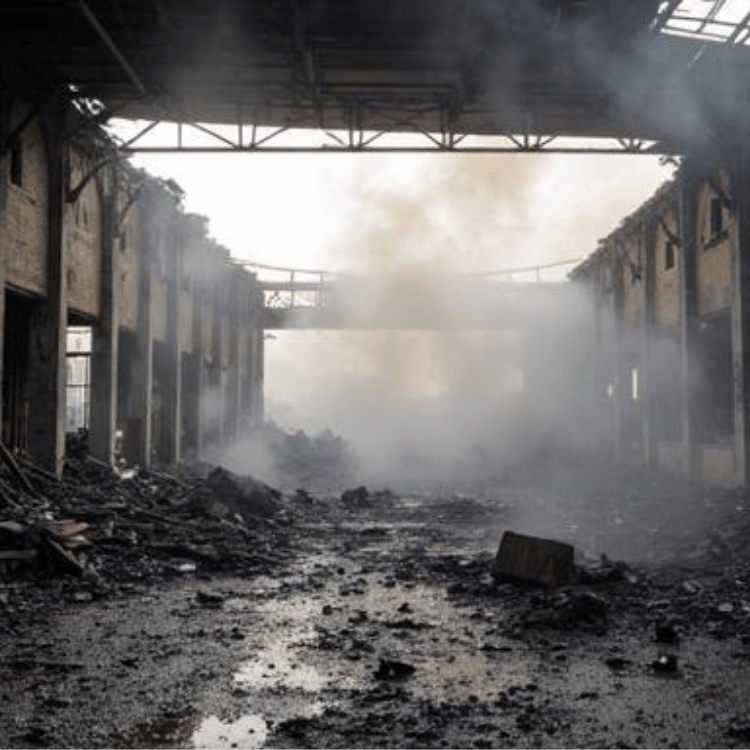
The Commercial Fire Damage Restoration Timeline: What to Expect
Once the scope of damage is understood, the restoration plan must be custom-tailored to the site. Commercial buildings usually have code requirements, occupancy considerations, and insurance requirements that make the process different from residential properties. Business operations often need to resume on a tight timeline, making speed and precision non-negotiable.
Here’s what a typical restoration process entails:
- Emergency Board-Up and Security – Broken windows, roof openings, and compromised doors are sealed to prevent weather intrusion or vandalism.
- Water Removal and Drying – Firefighting efforts leave significant moisture; industrial-grade dehumidifiers and water extractors are deployed immediately.
- Smoke and Soot Removal – High-efficiency air scrubbers remove particulates while surfaces are cleaned using specialized methods based on material type.
- Structural Repairs and Cleaning – Walls, flooring, ceilings, and internal support beams are restored or replaced as needed.
- HVAC and Vent Cleaning – Smoke and soot can travel far beyond the fire’s origin, often spreading through air ducts to unaffected rooms.
- Odor Control and Indoor Air Quality Testing – Advanced deodorization techniques ensure the building is safe for employees and customers to return.
- Documentation for Insurance and Compliance – From the first walkthrough to the final invoice, documentation supports the claims process and local code compliance.
Many clients ask if business operations must fully shut down. The answer depends on the building layout. In some cases, a partial reopening may be possible once containment zones are in place.
Legal and Insurance Aspects That Shouldn’t Be Overlooked
When it comes to commercial fire damage restoration, the insurance process is a parallel track that cannot be separated from the actual recovery. Delays in documentation, poor communication, or a lack of detailed records can hinder reimbursement or trigger disputes. Companies without clear guidance on fire damage claims often suffer financially long after the flames are gone.
Professionals help navigate this by:
- Offering itemized estimates aligned with insurance expectations
- Providing photos and moisture/microbial reports to validate damage
- Liaising with adjusters to minimize back-and-forth disputes
- Ensuring repair plans meet commercial building code requirements
Fire damage also introduces liability risks—especially in public-facing industries like retail, hospitality, and healthcare. If remediation isn’t thorough and smoke or air contaminants affect visitors, the legal exposure is real.
Specialized Equipment and Commercial Considerations
The equipment required for commercial fire damage restoration exceeds what’s typically used in a residential setting. The scale of the loss and the materials involved demand tools designed for rapid deployment across wide square footage.
Restoration crews rely on:
- Industrial-grade HEPA vacuums and negative air machines
- Desiccant dehumidifiers and infrared thermal scanners
- Electrostatic sprayers for sanitization
- Odor-neutralizing ozone or hydroxyl generators
Unlike homes, businesses often contain specialty machinery, inventory, electronics, and critical documents—all of which must be stabilized or restored. In some cases, third-party content cleaning specialists may be called in to treat high-value assets.
Common Commercial Building Types That Require Unique Strategies
While the basic restoration framework remains the same, building type greatly influences how each phase is executed. Certain materials, layouts, and risk profiles are more common in some commercial sectors than others.
Examples include:
- Warehouses – Large open layouts and stacked inventory make overhead soot removal and odor control more intensive.
- Restaurants – Kitchen-specific fire risks, grease buildup, and food safety protocols require meticulous attention.
- Retail – Visual presentation is critical. Even slight smoke discoloration can affect customer trust.
- Medical Offices – Air quality standards must meet healthcare-grade thresholds before reopening.
- Multi-Tenant Buildings – Restoration must coordinate with property managers and multiple tenants simultaneously.
Understanding industry-specific needs minimizes downtime and prevents the need for additional rework. That’s why generic, one-size-fits-all restoration simply won’t cut it.
Selecting the Right Commercial Fire Damage Restoration Partner
Not all restoration companies are equipped—or licensed—to handle large-scale commercial projects. Choosing the right provider impacts not only speed of recovery, but also safety, compliance, and business continuity.
What to look for:
- State licensing and IICRC certification
- Local references from commercial property managers
- Transparent pricing with detailed breakdowns
- Insurance navigation support
- Emergency response capabilities (24/7 availability)
- Familiarity with Georgia’s commercial code enforcement
K&P Restorations brings extensive experience in commercial environments and adheres to every relevant building, fire, and health code. Businesses across Macon, Georgia rely on our rapid response and consistent results. If you’re navigating fire recovery now or want to prepare a contingency plan, reach out through our contact page or call us directly at (478)-256-3394.
Frequently Asked Questions
How soon should fire damage restoration begin?
As soon as possible. Waiting can lead to mold, further structural issues, and insurance complications.
Is it possible to operate the business during restoration?
Sometimes, yes. Depending on the layout, partial reopening can happen with proper containment and safety protocols.
Does insurance cover commercial fire damage restoration?
Most commercial property insurance includes fire damage, but policy details vary. Documentation is key.
Can smoke damage affect areas that weren’t touched by flames?
Absolutely. Smoke travels quickly, often through HVAC systems or between floors, affecting materials far from the fire source.
What if my equipment or inventory were damaged?
Contents restoration is part of the process. If unsalvageable, documentation is prepared for insurance valuation.
Why does restoration take longer in commercial buildings?
Complex layouts, equipment, compliance standards, and business occupancy all affect the pace and scope of recovery.
Get Back to Business—Fast and Safely
Fire doesn’t have to be the end of your operations. With a focused response, expert oversight, and detailed attention to commercial-specific needs, recovery becomes a process—not a question. K&P Restorations is trusted across Macon, Georgia, for commercial fire damage restoration and other environmental services that protect people, property, and profits. Whether your business needs immediate cleanup or strategic planning, we’re one call away.