
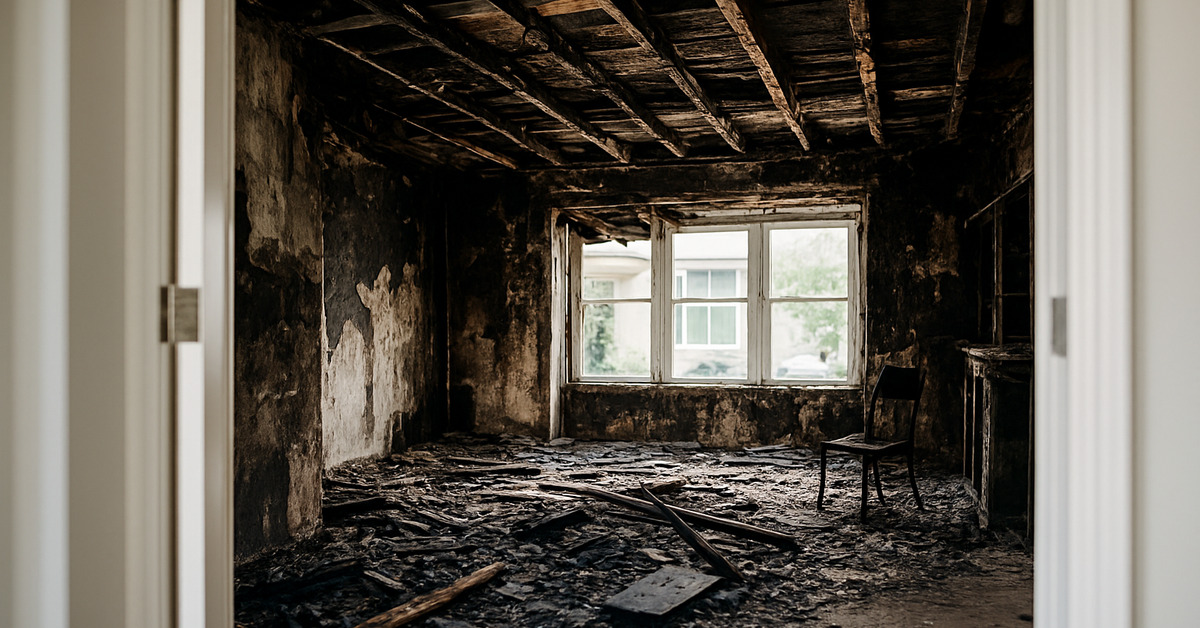
Recovering from a fire isn’t a quick fix—it’s a detailed process that demands precision, speed, and the right expertise. The aftermath can leave families and business owners feeling overwhelmed. Whether it’s a small kitchen flare-up or a more significant structural fire, the path forward involves more than simply scrubbing down surfaces. It involves understanding what materials have been compromised, what areas need to be removed, and what steps ensure that no hidden smoke or moisture causes future issues.
K&P Restorations specializes in fire damage cleanup and restoration services, mold inspection, testing, removal, and remediation services. Serving Macon, Georgia and surrounding communities, our certified team understands how vital it is to restore not just your space, but your peace of mind. We can be reached at (478)-256-3394for assistance.
The Critical First Hours After a Fire
Once emergency responders clear the scene, time becomes your biggest adversary. Soot and smoke residues begin damaging surfaces immediately. Even untouched areas can suffer secondary damage due to airborne particles and moisture from firefighting efforts. The key is acting fast.
Professionals trained in fire damage cleanup and restoration services prioritize the first 24-48 hours. Why? That window is where damage becomes permanent. Textiles, electronics, wood, drywall—all absorb contaminants quickly. Every hour counts. Waiting even a day too long may turn salvageable materials into costly losses.
How Smoke and Soot Affect Surfaces
Smoke isn’t just a smell. It’s acidic and destructive. Depending on what burned—wood, plastic, or synthetic materials—the resulting residue can corrode metals, yellow paint, and embed deeply into porous surfaces. Soot bonds to ceilings, walls, insulation, and ductwork, and without proper removal, it can return even after cleaning.
There are different types of soot:
- Dry Soot: From fast-burning, high-temperature fires. It’s powdery and easier to vacuum or wipe.
- Wet Soot: From low-temperature smolders. It’s sticky and smears easily.
- Protein Residue: Invisible but pungent, especially common in kitchen fires.
- Oily Residue: Often linked to furnace puff backs or electrical fires.
Each type requires distinct methods of removal. Using the wrong approach can worsen staining or push residue deeper into materials.
Fire Damage Cleanup and Restoration Services: Phases of the Process
There’s a structured sequence that professionals follow. It’s not just about cleaning—it’s about assessing, planning, and executing a precise recovery roadmap. Skipping any step can leave your property vulnerable.
Here’s what typically happens:
Initial Assessment and Safety Evaluation
Before touching anything, certified technicians evaluate structural integrity, air quality, and risk levels. Water damage from firefighting often overlaps with fire issues, creating additional hazards like mold growth or electrical compromise. A thorough inspection ensures no area is overlooked.
Removal of Damaged Materials and Debris
Non-salvageable materials get documented, removed, and disposed of properly. That includes insulation, drywall, flooring, or even ceiling tiles that have absorbed too much contamination. Anything structurally unsound gets addressed right away.
Personal items are evaluated, too. Items like documents, clothing, and electronics are either restored offsite or discarded, depending on the level of damage.

Soot and Smoke Residue Cleaning
Specialized tools like HEPA vacuums, ozone generators, and chemical sponges are used. Walls, ceilings, floors, furniture, and HVAC systems undergo targeted cleaning based on the type of soot involved. Air duct cleaning is especially important to prevent recontamination after restoration.
Deodorization and Air Purification
The scent of smoke lingers long after visual damage is gone. Odor molecules embed into porous surfaces and fabrics. Professional deodorization involves more than sprays—technicians use hydroxyl and ozone treatments that neutralize odors at the molecular level.
Restoration and Reconstruction
Once the environment is stabilized and cleaned, the focus shifts to restoring the space. That may mean repainting, reinstalling drywall, laying new flooring, or reconstructing damaged areas. The goal is to return the property to its pre-loss condition or better.
Why You Shouldn’t DIY Fire Cleanup
It’s tempting to start cleaning on your own. But there are risks. First, exposure to carcinogens and airborne contaminants is dangerous without protective equipment. Second, many insurance policies require work to be performed by certified professionals to maintain coverage.
DIY attempts can:
- Push smoke particles deeper into materials
- Spread soot unintentionally
- Void insurance reimbursement
- Cause long-term odor and mold issues
- Miss hidden damage within walls or HVAC systems
Trained crews understand how to work within insurance requirements while ensuring your home or facility is safe and fully restored.
Choosing the Right Team for Fire Damage Cleanup and Restoration Services
The right restoration partner makes all the difference. Experience, certifications, response time, and customer transparency are non-negotiable. Property owners should ask a few critical questions when hiring:
- Are technicians IICRC-certified?
- Do you offer 24/7 emergency response?
- Can you work directly with my insurance adjuster?
- How do you track progress during restoration?
- Do you provide post-restoration inspections?
K&P Restorations meets these criteria with a consistent, professional approach that puts clients first. We maintain open communication, fast response times, and a focus on both safety and accuracy.
Hidden Dangers After the Flames
Even when the flames are out, unseen risks remain. Water used to fight fires can soak into insulation and subfloors, leading to mold growth within days. Electrical systems can be compromised. Structural elements weakened by heat may not be visibly damaged.
Here are some post-fire risks worth knowing:
- Electrical Hazards: Fire can damage wiring inside walls, posing fire or electrocution risks.
- Mold Growth: Moisture trapped in materials becomes a breeding ground within 24-72 hours.
- Toxic Residue: Burned materials release toxins that settle into furniture, vents, and personal items.
- Structural Instability: Beams or supports may appear intact but have lost strength from prolonged heat exposure.
Proper restoration uncovers and corrects these issues—not just cosmetic damage.
Insurance Coordination and Documentation
Navigating fire-related insurance claims adds stress to an already difficult situation. Documentation is essential. Photographic evidence, itemized losses, and scope of work reports ensure smoother claims processing. Reputable restoration services understand the language and processes used by adjusters.
K&P Restorations works directly with insurance providers to reduce headaches for our clients. We help document losses, provide estimates, and facilitate adjuster walkthroughs when needed.
Tips for Insurance Success
- Contact your insurer immediately after the fire.
- Take photos or videos of damage before cleanup begins.
- Avoid discarding anything without documentation.
- Keep receipts for temporary housing or meals if displaced.
- Stay involved in inspections and walkthroughs.
Being proactive can lead to faster payouts and fewer disputes.
Mold Risks in Fire-Damaged Structures
It’s not unusual for fire damage cleanup and restoration services to overlap with mold remediation. Once water enters a space, mold spores—which exist naturally in the air—have everything they need to grow. Often, these colonies start in walls or crawlspaces where visibility is low.
That’s where K&P Restorations offers an advantage. Our team specializes in mold inspection, testing, removal, and remediation, in addition to fire restoration. That means one team handles the full spectrum of risks without juggling contractors or timelines.
We deploy moisture meters, thermal imaging, and laboratory-grade testing to identify any mold activity before it becomes a second disaster.
Frequently Asked Questions
How soon after a fire should cleanup begin?
As soon as the site is deemed safe. The first 24-48 hours are critical to prevent permanent damage.
Can smoke-damaged clothing and furniture be saved?
Often yes, but it depends on the type of soot and the materials. Professionals use ozone chambers and specialty cleaning processes for textiles and electronics.
Is fire restoration covered by insurance?
Most homeowners’ policies cover fire and smoke damage, but coverage can vary. Documentation and prompt reporting help secure full compensation.
How long does fire damage restoration take?
It varies by severity. Small fires may take days, while structural damage may require weeks. A proper assessment gives a more accurate timeline.
What should I do while waiting for restoration professionals?
Avoid entering the property. If safe to do so, ventilate the area by opening windows. Don’t attempt cleaning or move items—residue can spread.
Bring It Back From the Burn
Recovering after a fire doesn’t just mean repairing what’s visible. It means eliminating the hidden risks, restoring your space to code, and preventing secondary damage. The right team knows how to treat every layer of damage with urgency and care.
At K&P Restorations, we know that navigating fire damage cleanup and restoration services isn’t something you planned for. But when it happens, we’re ready to help. Our expertise also extends to mold inspection, testing, and remediation, making us the trusted choice in Macon, Georgia and nearby areas.
Have questions or need immediate help? Visit our contact page or call (478)-256-3394.