
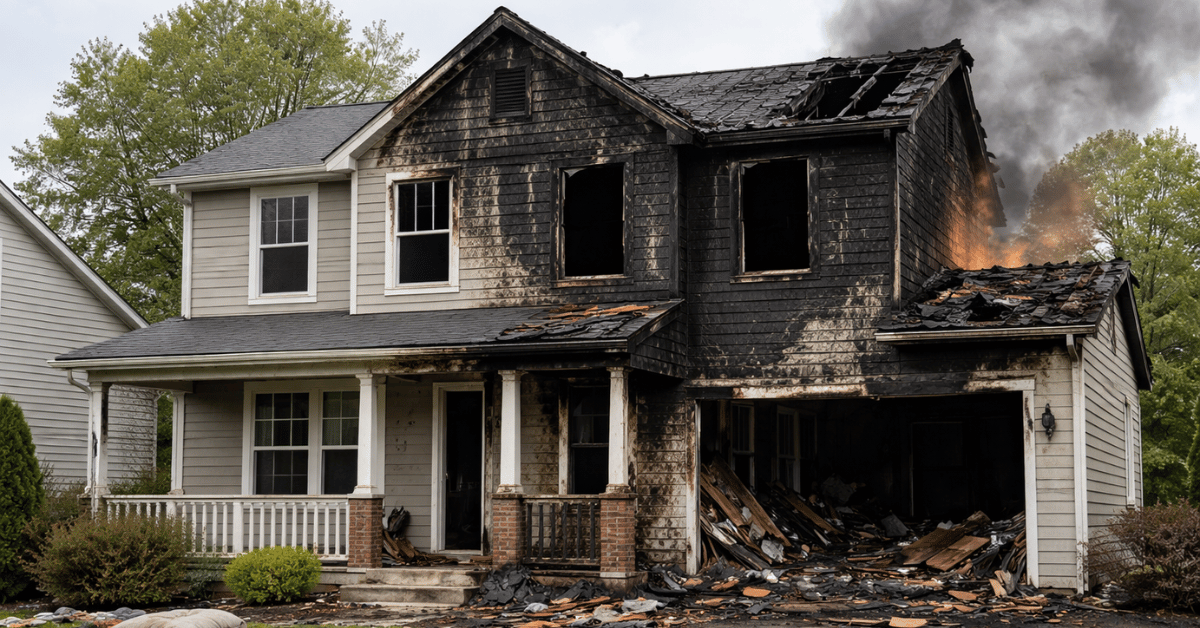
When disaster strikes, few events compare to the damage fire can cause to a home or business. Smoke, soot, scorched walls, and structural compromise aren’t just cosmetic issues—they represent serious safety hazards and costly setbacks. Fire damage repair and restoration must begin immediately to prevent further loss, ensure property integrity, and return operations to normal as quickly as possible.
K&P Restorations specializes in fire damage repair and restoration, mold inspection, testing, removal, and remediation services. We also provide smoke remediation, water mitigation & remediation, crawl space cleaning, and HVAC vent cleaning services. Proudly serving Macon, Georgia and surrounding areas, we can be reached at (478)-256-3394.
Effective planning, fast action, and reliable expertise make the difference in saving what’s salvageable and minimizing downtime. This article takes a technical, detailed look at how fire damage repair and restoration works, when to begin, what professionals do, and how to avoid the pitfalls of delay.
Understanding Fire Damage: What’s Really at Stake?
Fire doesn’t just burn; it chemically alters every surface it touches. Smoke residues contain acidic elements that continue corroding materials long after the flames are out. Soot embeds into drywall, insulation, furniture, electronics, and ventilation systems. Water from firefighting efforts adds another layer of damage, leading to rapid mold growth and further material degradation.
Before jumping into repairs, it’s important to assess:
- Type and extent of structural damage
- Presence of hazardous residues (asbestos, lead, etc.)
- Water saturation levels in materials
- Scope of smoke infiltration in hidden spaces
- HVAC contamination and odor control requirements
With an accurate initial inspection, property owners and technicians can align restoration goals with code requirements, safety protocols, and insurance documentation.
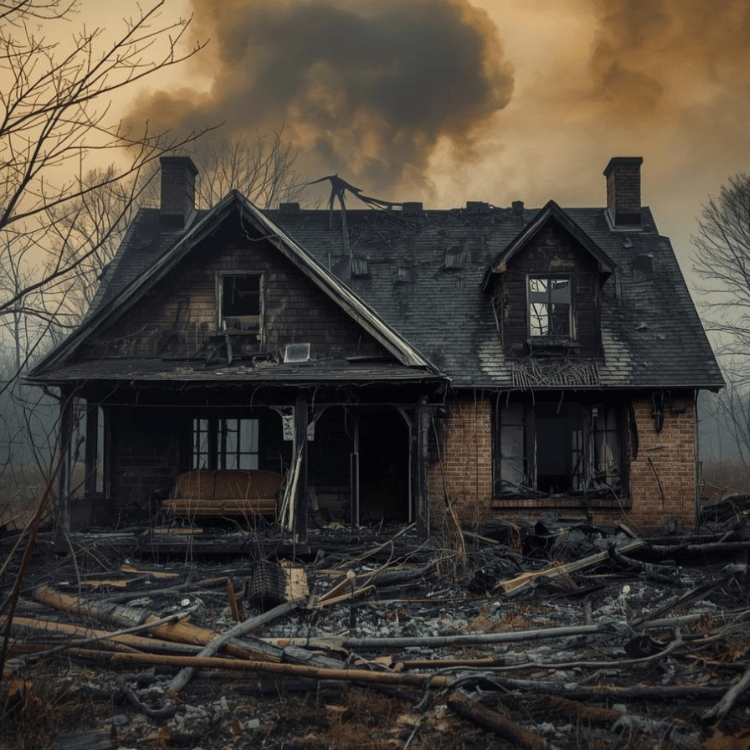
Fire Damage Repair and Restoration: Key Phases and Priorities
Each situation is different, but the workflow remains consistent when properly executed. Every fire damage repair and restoration job should follow a phased approach to maintain quality control, safety, and transparency for the property owner.
Initial Safety and Hazard Evaluation
Before any work begins, certified professionals must ensure that the building is structurally sound and safe for entry. Temporary supports may be installed to stabilize compromised sections. Electricity and gas lines are often turned off to prevent secondary risks. Personal protective equipment (PPE) is required throughout the process.
Emergency Board-Up and Security Measures
Broken windows, damaged doors, or breached roofs leave buildings vulnerable to further weather exposure, theft, and liability. Fire damage repair and restoration services typically include boarding up entry points and deploying tarp systems over exposed roof sections. This preserves the interior from further damage and keeps out unwanted intruders.
Smoke and Soot Residue Removal
This step is often underestimated. Smoke travels far beyond the burn area. Residue from synthetic materials, in particular, can produce toxic compounds requiring specialized cleaning agents. HEPA-filter vacuums, dry sponges, soda blasting, and chemical sponges are used depending on the surface type. It’s not just about aesthetics—leftover residues corrode wiring, ruin electronics, and pollute indoor air for months.
Water Removal and Dehumidification
Water used during firefighting efforts must be extracted quickly to prevent mold growth and warping of materials. Submersible pumps and industrial-grade air movers are deployed alongside dehumidifiers to lower moisture levels in walls, flooring, ceilings, and insulation. Moisture meters guide this process to ensure hidden areas dry thoroughly.
Demolition and Material Removal
Unsalvageable items—including insulation, drywall, and certain flooring materials—must be removed. A detailed itemization of disposed items is created for insurance and documentation. Hazardous materials such as asbestos or lead-based paint require licensed abatement teams, which can extend the timeline if not identified early.
Structural Repairs and Surface Restoration
This phase varies greatly based on damage severity. Minor incidents may only need repainting and reinstallation of drywall. Larger fires may require framing, subfloor repairs, roof reconstruction, and electrical rewiring. Restoration teams work closely with building inspectors and engineers to ensure compliance with local codes.
HVAC and Vent Cleaning
Soot and smoke particles linger in ductwork long after visual signs of fire are gone. Full system cleaning is required to prevent air quality issues and recontamination of clean spaces. This step often goes overlooked but is vital in any comprehensive restoration process.
Odor Neutralization and Indoor Air Quality Testing
Lingering odors require more than air fresheners. Thermal fogging, ozone treatment, and hydroxyl generators are used to break down odor molecules at the chemical level. Indoor air quality tests can confirm that no volatile organic compounds (VOCs) or particulates remain.
Why Timing Matters in Fire Damage Repair and Restoration
Fire damage repair and restoration is not a process that benefits from delay. Every hour after a fire ends, chemical residues continue degrading materials, while mold can begin forming in as little as 24 hours under the right conditions. Early response leads to:
- Lower total restoration costs
- Reduced risk of secondary damage
- Improved insurance claim outcomes
- Higher chance of salvaging valuables
- Faster return to occupancy or operation
The difference between waiting and acting immediately can mean tens of thousands of dollars in structural loss or personal property destruction.
Selecting a Qualified Fire Damage Restoration Provider
Choosing the right provider is not just about availability. Property owners should consider the following:
- Licensing and Insurance
Ensure the contractor is fully insured, bonded, and licensed for fire damage restoration in your area. - Certifications
Look for IICRC-certified technicians for fire, smoke, and water damage restoration. These credentials reflect technical competence. - Service Breadth
Providers offering mold remediation, air quality testing, and HVAC cleaning add value by reducing the need to coordinate multiple vendors. - Experience and Local Presence
A local company with experience in the specific region understands common construction types, materials used, and building codes—factors critical to accurate restoration. - Insurance Collaboration
Contractors who work directly with insurers streamline claims and reduce the burden on policyholders.
K&P Restorations fits these criteria and has a proven track record in Macon, Georgia. We handle projects efficiently and professionally, prioritizing customer satisfaction and long-term safety.
Costs Involved in Fire Damage Repair and Restoration
Costs vary based on square footage, severity of damage, accessibility, material costs, and location. While each case is different, the following average ranges offer a starting point:
- Smoke cleaning: $200 – $1,000+
- Water extraction: $1,000 – $5,000
- Demolition and disposal: $1,000 – $7,000
- Structural repairs: $5,000 – $50,000+
- Odor control and duct cleaning: $500 – $2,000
Always request a detailed estimate and scope of work. Trustworthy providers will explain every line item and justify decisions clearly.
Insurance and Documentation: Navigating the Claims Process
Fire damage repair and restoration is often covered under homeowners or commercial property insurance policies. Property owners should:
- Notify the insurer immediately after the fire
- Take photos and videos of all visible damage
- Keep receipts of temporary housing or emergency expenses
- Request a copy of the fire report from local authorities
- Document every conversation with insurers and contractors
Restoration companies familiar with insurance requirements can help streamline this process, ensuring all required documentation is submitted and properly formatted.
Frequently Asked Questions
How quickly should fire restoration begin after a fire?
Ideally, fire damage repair and restoration should begin within 24-48 hours of the incident to prevent further damage.
Is it safe to clean up soot myself?
No. Soot contains toxic compounds and should be handled using specialized equipment and protective gear by certified professionals.
Can all fire odors be removed?
Yes, but it requires specialized equipment like thermal foggers, ozone generators, or hydroxyl machines depending on the space and materials affected.
Will my insurance cover the entire cost of restoration?
That depends on your policy. Most standard homeowners insurance includes fire damage coverage, but limits and exclusions apply.
Do I need a separate contractor for mold or smoke damage?
Not if you hire a provider like K&P Restorations that offers integrated services, including smoke remediation, mold remediation, and HVAC cleaning.
Get Started with Fire Damage Repair and Restoration the Right Way
Fire doesn’t have to be the end of the story. With swift and skilled fire damage repair and restoration, your property can be restored, and safety can be reestablished. Don’t wait for problems to multiply. Contact K&P Restorations to schedule an inspection, discuss next steps, or request emergency assistance. Our specialists in Macon, Georgia are ready to restore peace of mind—one repair at a time.
For immediate support, call us today at 478-256-3394 or contact us online.